

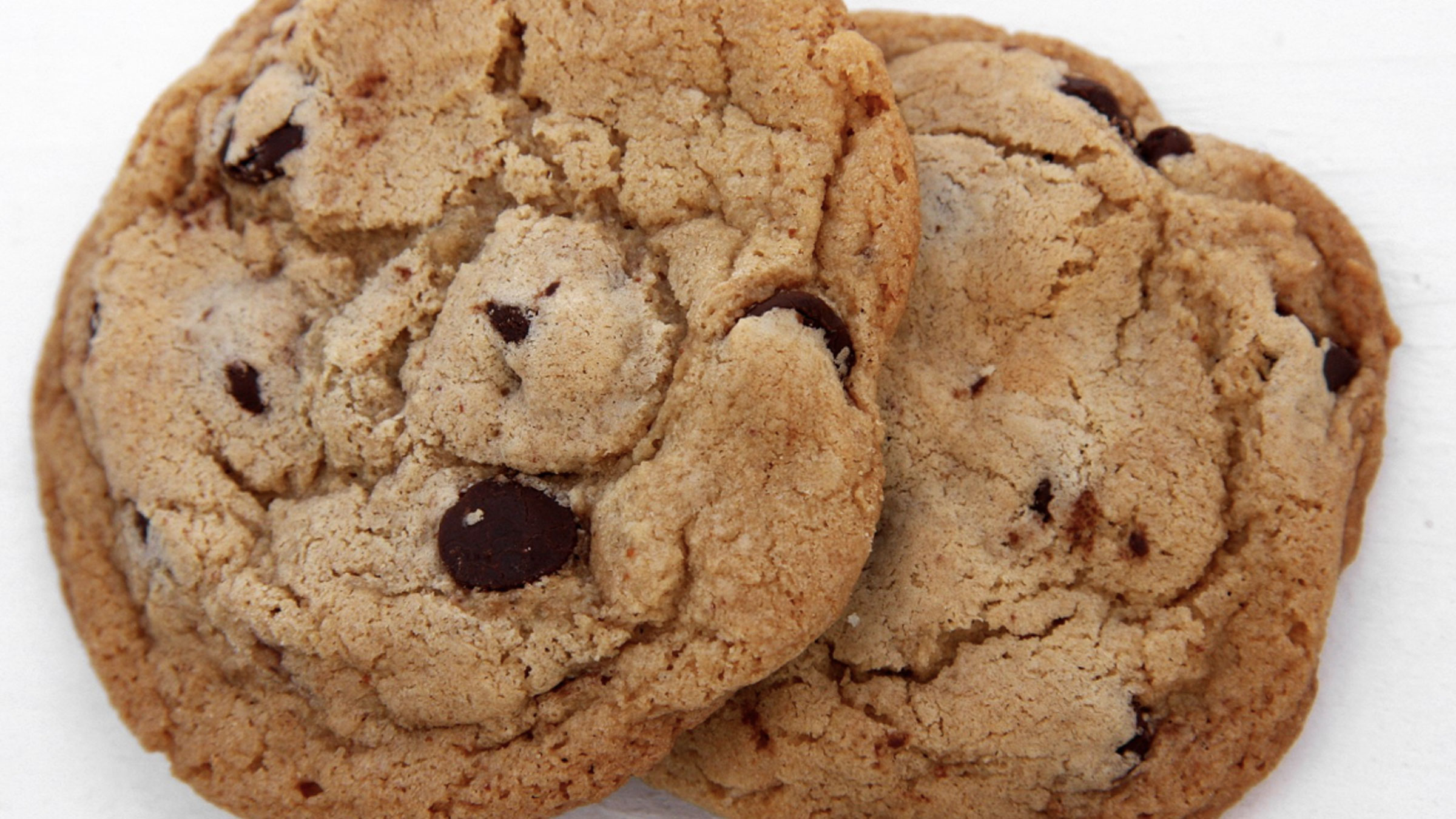
Before Nestlé sold bags of chocolate chips, Ruth Wakefield was breaking up chocolate bars in Whitman. Her Toll House chocolate chip cookie began as a restaurant dessert in the 1930s, with pieces of semisweet chocolate stirred into buttery dough.
You probably know the version where she ran out of baking chocolate, improvised and accidentally invented something wonderful. Wakefield described a more deliberate process: experimenting, testing and working with her pastry cook. Apparently, a woman knowing what she was doing made a less memorable story.
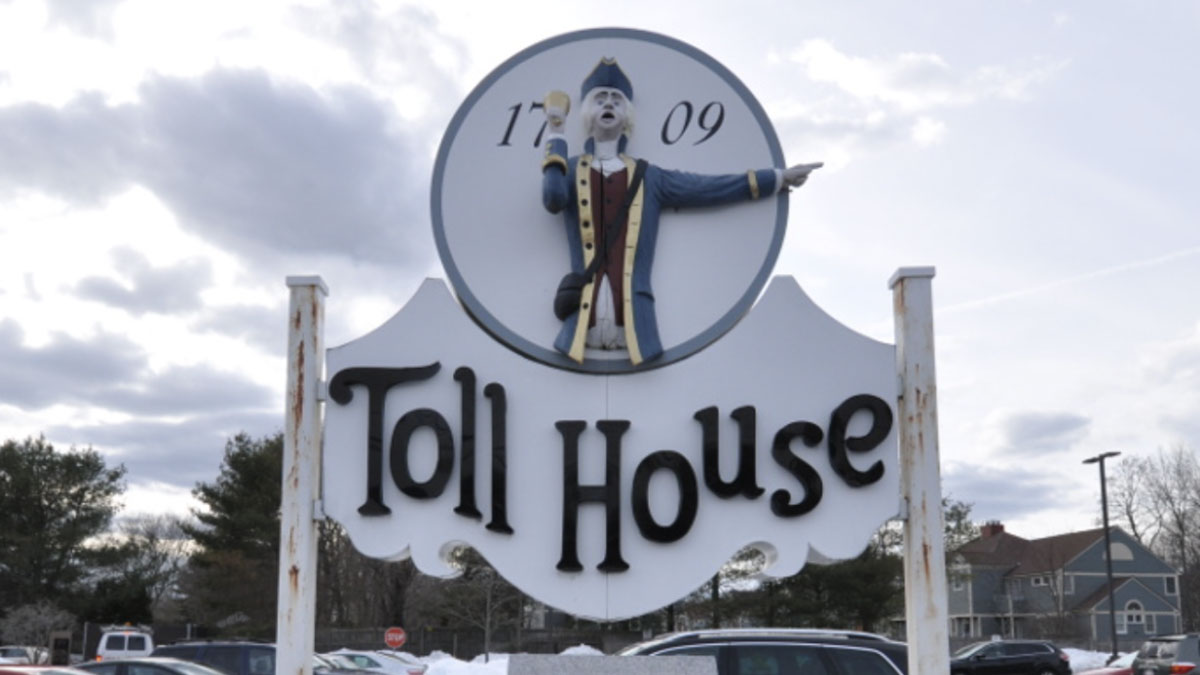
The restaurant behind the Toll House chocolate chip cookie
Ruth and Kenneth Wakefield opened the Toll House in Whitman in 1930. Ruth had studied household arts at what is now Framingham State University and worked as a teacher and dietitian. Her training included the science behind what happened in a kitchen.
According to The Henry Ford’s history of the cookie, the restaurant grew from seven tables to roughly sixty. It attracted local customers and travelers heading between Boston and Cape Cod.
Dessert was part of the draw. Wakefield already served a popular butterscotch cookie, but wanted another option. The chocolate experiment gave her one that customers could reproduce in their own kitchens.
About that accident story
The familiar account has Wakefield substituting chopped chocolate for baking chocolate and expecting it to disappear into the dough. Instead, the pieces remained distinct, producing chocolate chip cookies.
Wakefield recalled thinking through the recipe before trying it.
In a 1957 newspaper interview, Wakefield described thinking about adding chocolate while returning from Europe. A later account by food writer Phyllis Hanes described her ordering chocolate bars, breaking them with an ice pick and testing the recipe with pastry cook Sue Brides. Those interviews are reproduced in CooksInfo’s account of Wakefield’s career.
Wakefield credited Sue Brides with helping her test and develop the recipe. The pastry cook’s contribution tends to get lost in the accident story, too.
Customers wanted the recipe, and the Wakefields shared it. Hanes reported that they handed out a hundred or more copies a day. Keeping a secret family recipe was evidently not the business plan.

How Nestlé got involved
As the recipe circulated, it created demand for the semisweet chocolate used to make it. Nestlé obtained permission to print the recipe on its packaging, and Wakefield received a lifetime supply of chocolate as part of the arrangement.
The company also made the preparation easier. It sold scored chocolate bars before introducing ready-made morsels in 1939. Bakers could skip the chopping and get straight to the dough.
The cookie came before the chips. A home baker with a chocolate bar had been doing the cutting; now the manufacturer could do that part.
Massachusetts already had a substantial chocolate business by then. Baker’s Chocolate in Dorchester had been producing chocolate along the Neponset for generations before Wakefield started experimenting in Whitman.
The original cookies were small
Wakefield called them Chocolate Crunch Cookies. The early recipe reproduced by King Arthur Baking included chopped nuts and chocolate cut into pieces about the size of peas.
It also called for half-teaspoon portions of dough and promised a hundred cookies. These were small enough to serve alongside dessert, rather than a thick bakery cookie that could reasonably count as lunch.
Nestlé’s current Toll House recipe uses rounded tablespoons of dough and lists a yield of five dozen. Nuts are optional, with instructions to add a little extra flour if you leave them out. The butter, brown sugar, white sugar, eggs and semisweet chocolate remain familiar.
Use the portion size and baking instructions for whichever recipe you choose. A half-teaspoon cookie and a rounded-tablespoon cookie are different things going into the oven.
What happened to the inn?
The original Toll House was destroyed by fire on New Year’s Eve in 1984 and was not rebuilt. You cannot visit Wakefield’s dining room or book a table at a restored version of her restaurant.
The name survived on chocolate packaging and recipes long after the building disappeared. Massachusetts eventually gave the cookie an official designation, too: a law approved on July 9, 1997 made the chocolate chip cookie the Commonwealth’s state cookie. The legislation does not take a position on nuts.
