

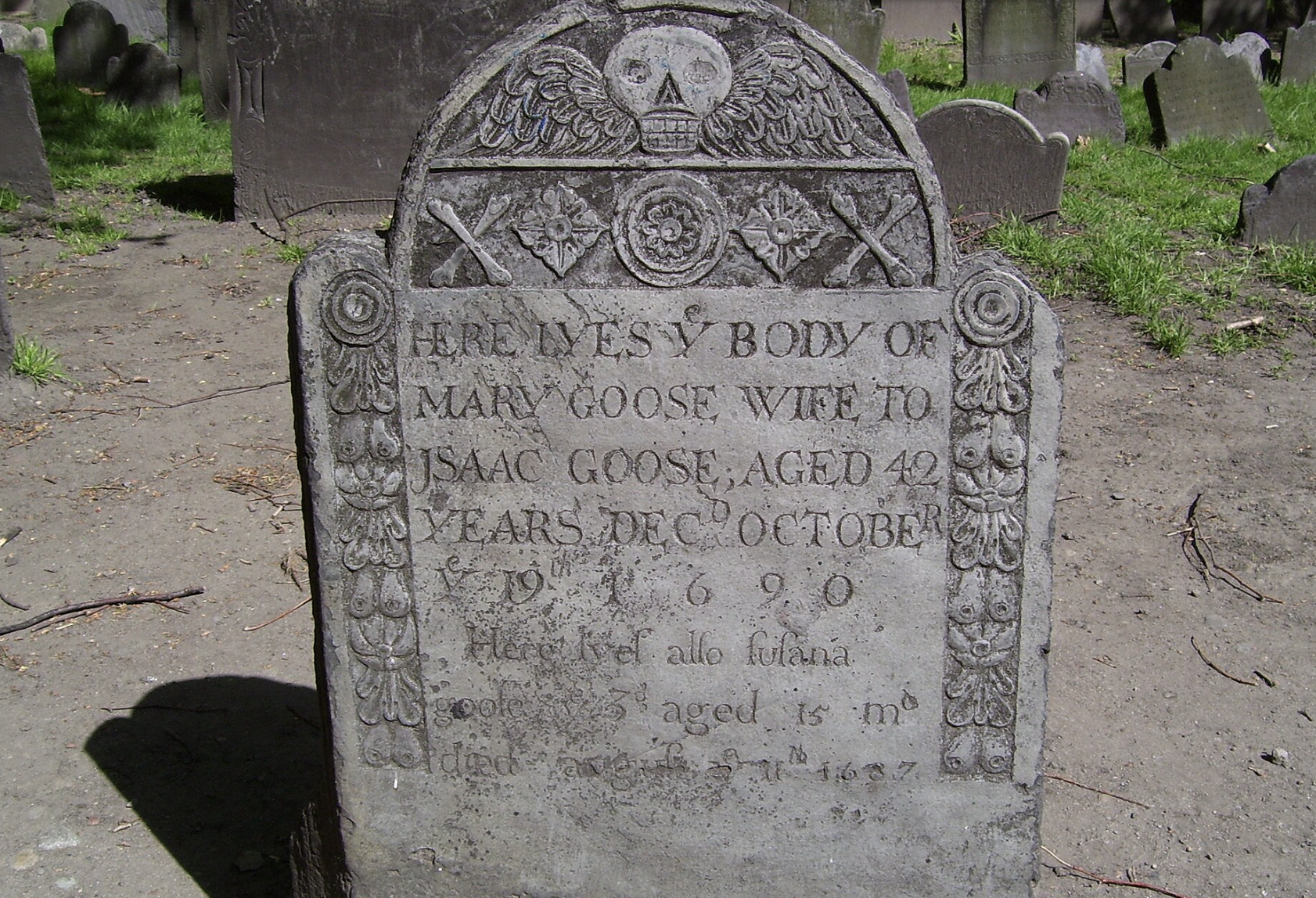
Boston has a grave associated with Mother Goose. Proving that the woman in it wrote the nursery rhymes is another matter. The story usually centers on Elizabeth Goose, while the surviving stone that visitors are shown belongs to Mary Goose. Even before opening a history book, there is a name problem.
The Granary Burying Ground has plenty of documented claims to fame. Mother Goose is one of its more persistent legends. It is worth knowing the story before visiting, especially because the doubtful version is so much tidier than the evidence.
The Boston Mother Goose story
In the familiar account, Elizabeth Foster Goose, also called Vergoose, entertained her grandchildren with songs and rhymes. Her son-in-law, printer Thomas Fleet, supposedly collected them and published a book.
The Boston Women’s Heritage Trail describes this as tradition, not established authorship. It points out two substantial gaps: there is no surviving copy of the claimed Fleet book, and there is no grave marker for Elizabeth Vergoose in the Granary.
Those are not minor details. The missing book would be the evidence connecting a real Boston family to the published rhymes. Without it, a story about a grandmother entertaining children cannot establish who created the verses or first collected them.
Elizabeth’s existence and Mother Goose’s literary history are different questions. A person can be real while the famous achievement attached to her remains unproved. Boston does not have to pretend otherwise to make the tale interesting.
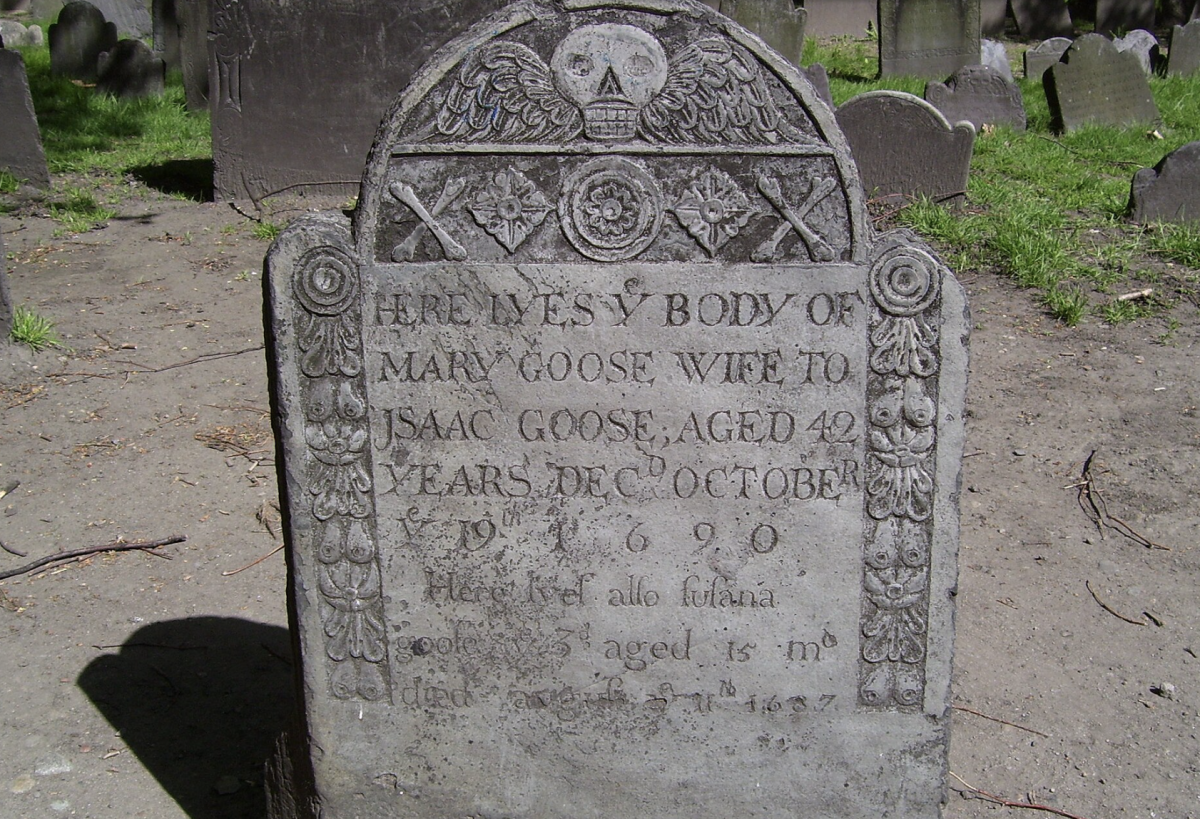
The stone belongs to Mary
Mary Goose died in 1690. She was the first wife of Isaac Goose, who subsequently married Elizabeth Foster. The surviving Mary Goose gravestone helps explain how two women with the same married surname became tangled in one tourist story.
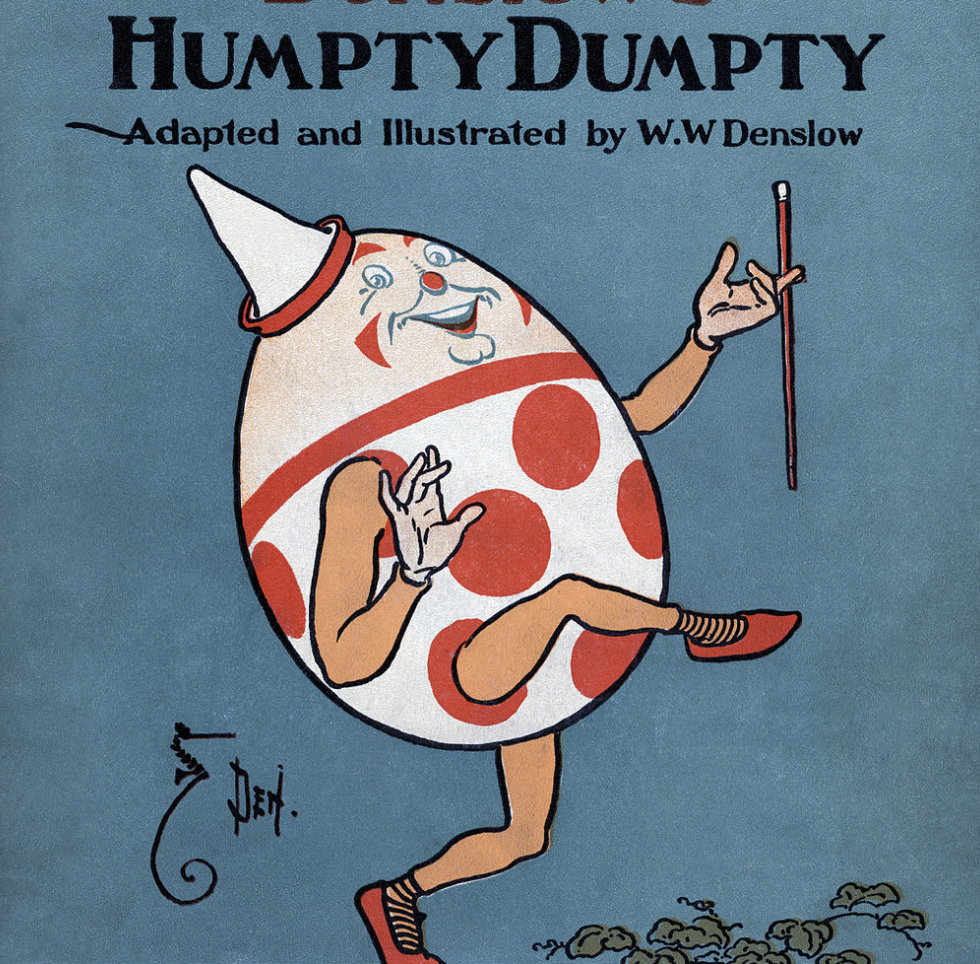
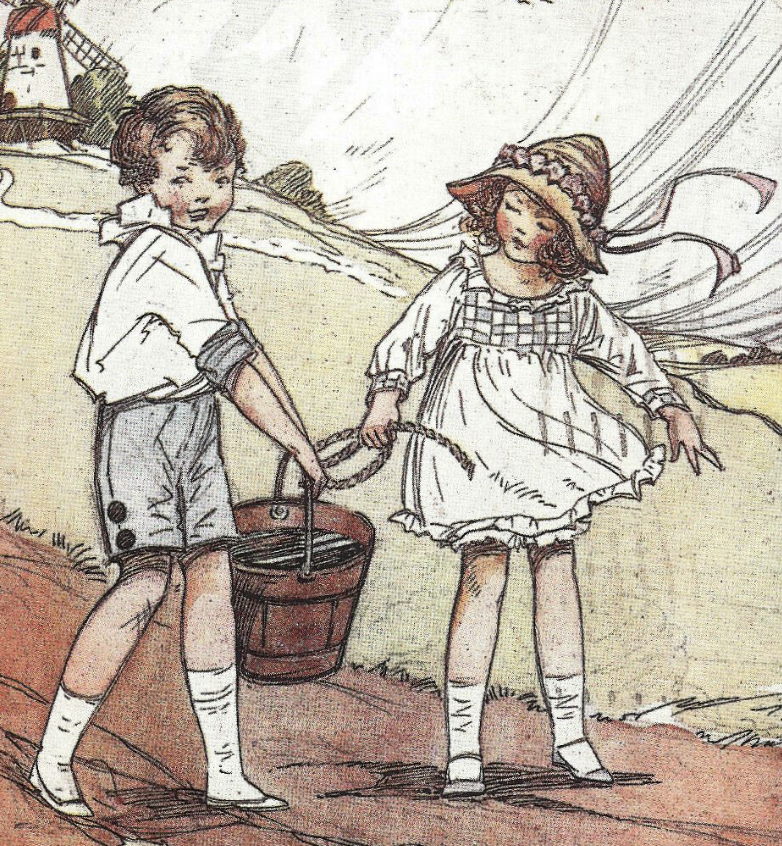
Read the inscription rather than treating the nickname as a biography. The marker identifies Mary; it does not establish that she wrote “Humpty Dumpty,” “Jack and Jill” or the other rhymes assembled under Mother Goose’s name.
Nor would finding Elizabeth’s burial place settle authorship. A gravestone is evidence of a person’s death and commemoration. It is not a substitute for a manuscript, a publication or a reliable contemporary account of someone’s writing.
Mother Goose was already a literary figure
The name reaches beyond Boston. Charles Perrault’s 1697 French collection is associated with the tales of Mother Goose, including stories known in English as “Cinderella,” “Sleeping Beauty” and “Puss in Boots.” Those are prose fairy tales, not simply the same collection of short nursery verses under another cover.
The distinction appears in editor Eulalie Osgood Grover’s 1915 introduction to Mother Goose. Grover also rejected the Boston grandmother story as unproved because no copy of the supposed book could be found.
That introduction follows the rhymes through English publishing and later American editions. Boston publishers Munroe and Francis issued a collection in 1833 called The Only True Mother Goose Melodies. The confident title is good publishing, but confidence on a cover cannot resolve the identity of a supposed original author.
Different editors gathered, arranged and republished material under the same familiar figure’s name. That history is much harder to squeeze onto a walking-tour sign than “Mother Goose is buried here.”
What to look for at the Granary
The Freedom Trail’s account of the Granary identifies the cemetery as the resting place of Samuel Adams, John Hancock, Robert Treat Paine and Paul Revere. Benjamin Franklin’s parents are buried here too. Those connections give you more than enough reason to stop.
Established in 1660, the burying ground sits on Tremont Street near the Common. Follow the paths and read the stones from them. The carving, names and dates deserve attention in their own right, even when the person beneath a marker has not acquired a famous nickname.
You can visit Mary Goose’s grave and enjoy the tale. Just leave knowing that a Boston woman is buried there, and that the nursery-rhyme authorship has not been proved.
