

-

Omni Parker House
60 School Street, Downtown
Harvey D. Parker opened the hotel in 1855. The hotel has published the ghost stories. In a 1992 Boston Globe interview quoted by the hotel, bellman John Brehm said he first heard about Parker’s ghost when he started work in 1941. The story then was that Parker roamed the 10th-floor annex. Around 1950, a guest said she saw a heavyset man with a black mustache in that hall. Security went up and found nobody.
Other reports from that floor are a rocking chair in a room that does not have one, and lights moving down the corridor. In a separate story, a mother and daughter in room 1012 said a man in old clothes stood at the foot of the bed and then vanished. At breakfast, his portrait was hanging in the dining room.
-

The Liberty Hotel
215 Charles Street, West End
The granite building beside Massachusetts General Hospital was the Charles Street Jail, finished in 1851. In 1973, after prisoners revolted over the conditions, a court found the jail in violation of the inmates’ constitutional rights. The last prisoners left on Memorial Day weekend in 1990. It reopened as The Liberty Hotel in 2007. The rotunda, the catwalks, and some of the cells are still there.
CLINK. serves dinner in the old cells. Alibi is in the former drunk tank. Ghost tours describe footsteps and former prisoners. The hotel’s own history does not.
-
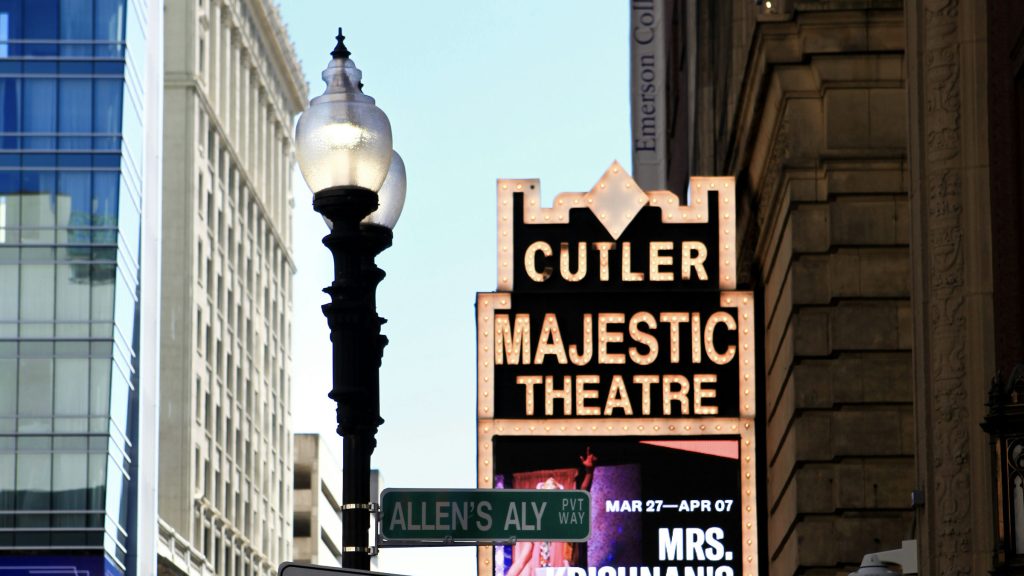
Emerson Cutler Majestic Theatre
219 Tremont Street, Downtown
The theater opened in 1903. The stories that get repeated are a well-dressed couple in the balcony, a little girl who supposedly takes gifts left for her, and a former mayor who died in his seat during a performance. There is no record of a Boston mayor dying at the Majestic. People who have worked in the building still describe a man in a suit in the balcony lobby, and a child’s voice in the house.
-
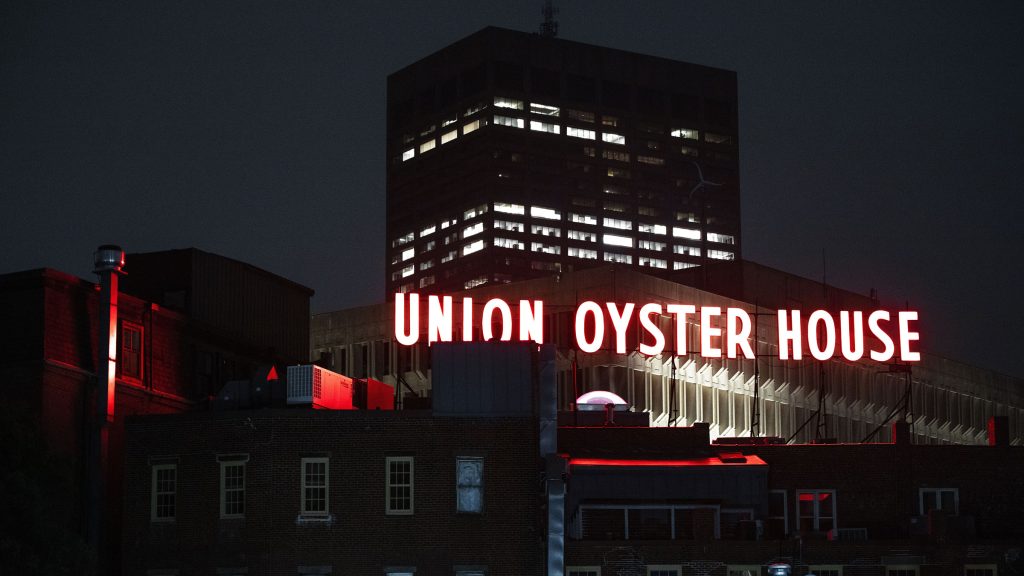
Union Oyster House
41 Union Street, Downtown
The restaurant opened in 1826, in a building that was already old. During the Revolution the second floor was headquarters for Ebenezer Hancock, paymaster of the Continental Army, and soldiers were paid where people now eat. Staff have talked about flickering lights, electronics that quit, footsteps, and a man in colonial clothes bent over a desk. Tour guides say that man is Hancock. A separate story involves a chef named Henry, seen by a coworker around the time Henry died.
John F. Kennedy’s booth is upstairs, with a plaque. Ghost tours add a Kennedy haunting. The restaurant’s history page mentions the booth and stops there.
Granary and King's Chapel burying grounds
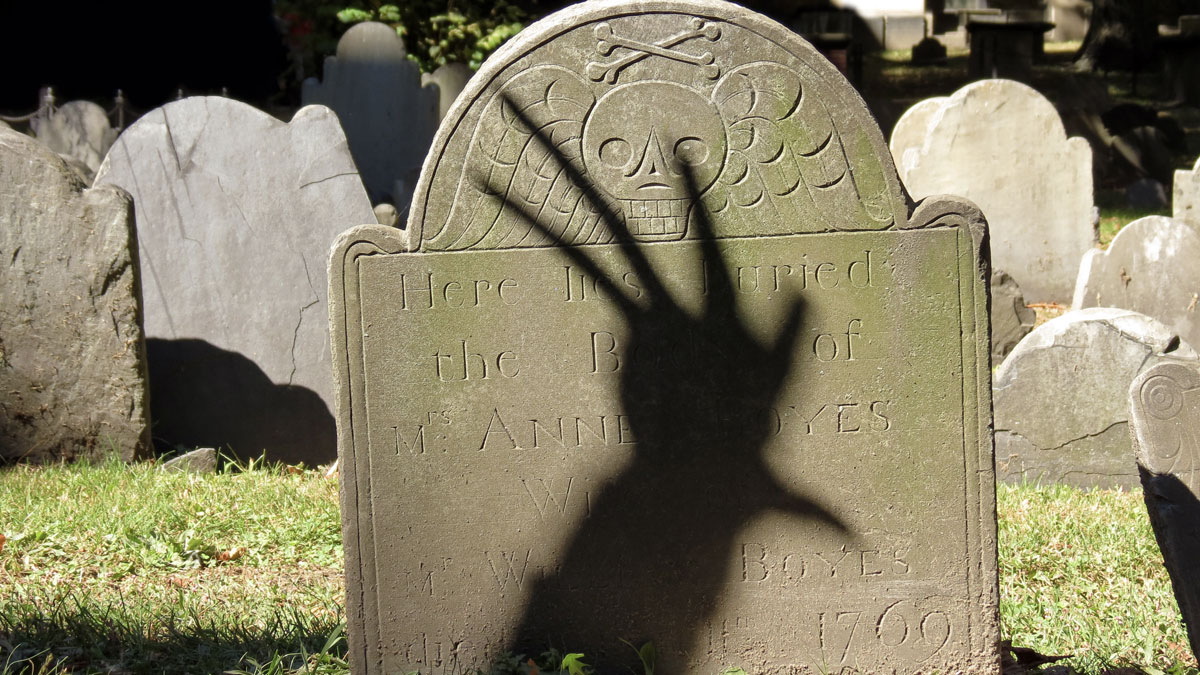
King’s Chapel Burying Ground opened in 1630. It is the oldest burying ground in Boston proper. It filled up, and in 1660 the town opened the Granary Burying Ground nearby. Paul Revere, Samuel Adams, John Hancock, and the Boston Massacre victims are there, along with thousands of people who no longer have a stone.
Both grounds are regular stops on ghost tours. Visitors report footsteps, cold spots, and someone in colonial clothes who is not leading a tour. The sightings are not verified.
Fort Warren
Fort Warren is on Georges Island in Boston Harbor. Construction ran from 1833 to 1861, and during the Civil War the fort held Confederate prisoners. The ghost story is the Lady in Black. In the version Boston Harbor Islands tells, she is Melanie Lanier, who rowed to the island to free her husband Andrew, a Confederate prisoner, and was hanged in black. Historians have not found a record of her. Edward Rowe Snow is the one who spread the tale.
Georges Island is a ferry ride. Check whether the boats are running before you go.
