

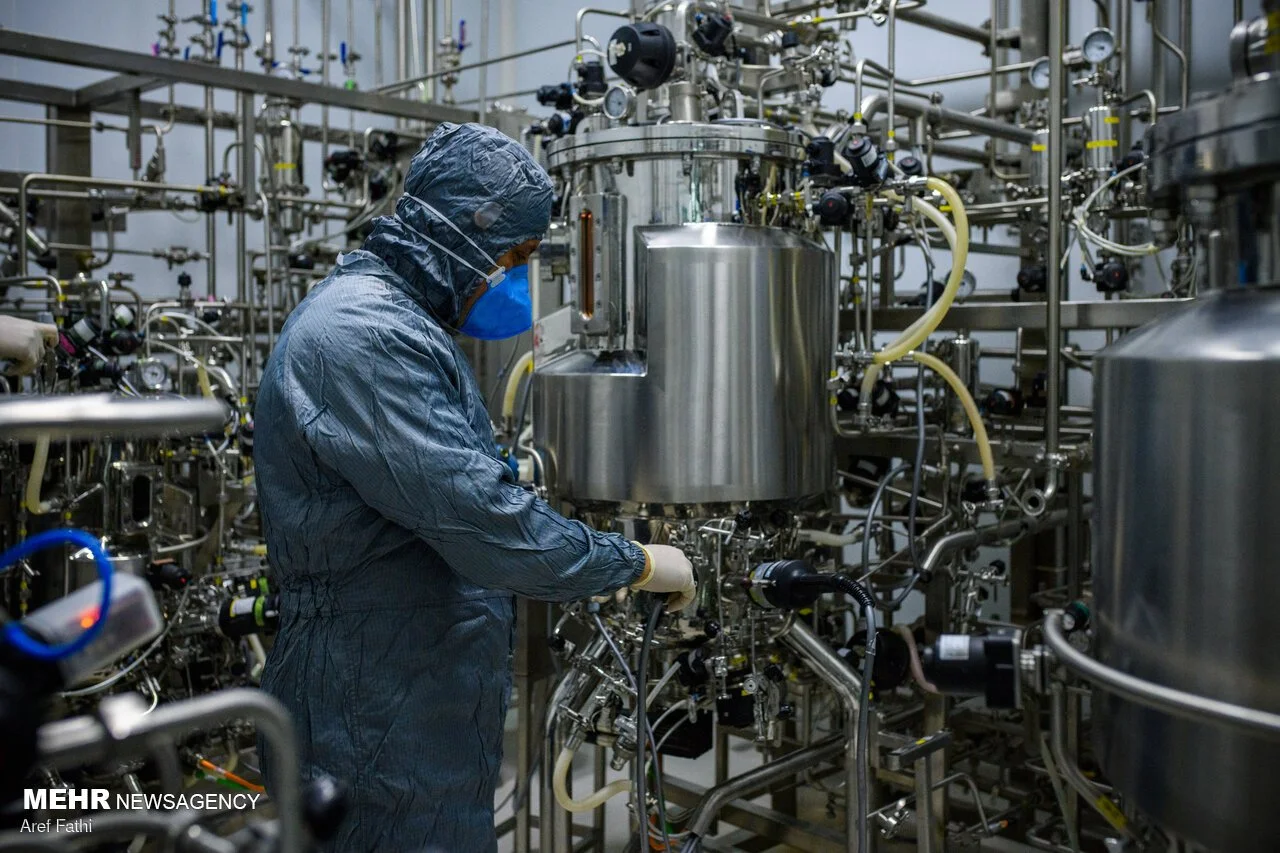
A biotech company needs somewhere to run experiments. A robotics company needs somewhere to build and test a machine. Neither gets very far on a laptop at a coffee shop. Boston’s innovation economy includes the less glamorous things that make that work possible: shared laboratories, equipment, technical staff and people who know how to turn research into a business.
Much of it extends beyond Boston proper. Kendall Square is in Cambridge; Greentown Labs has its roots in Somerville. When people describe the Boston startup scene, they usually mean a region whose universities, employers and research facilities cross several city lines. The useful question is what those places actually provide.
Boston’s innovation economy starts with practical help
At the Martin Trust Center for MIT Entrepreneurship, students can take courses, get advice from entrepreneurs in residence and work toward launching a company through programs such as the delta v accelerator. The center also offers Dear Dreamer, a free online entrepreneurship tool for young people beyond MIT. Having a technical idea and knowing how to sell it are different skills. The center treats entrepreneurship as something students can learn.
The Harvard Innovation Labs offer a student i-lab, support for alumni ventures and the Pagliuca Harvard Life Lab for life-science businesses. Advising, workshops and shared facilities give founders help with decisions they would otherwise be making alone.
These programs have eligibility requirements. A university affiliation can open particular doors, but it is not a substitute for checking which program fits your project. Someone developing a medical technology may need a laboratory; someone testing demand for a service may need customers and a better business plan first.

Why shared labs matter in Cambridge
LabCentral’s flagship at 700 Main Street shows what support looks like for an early-stage biotech company. Residents can use shared equipment, laboratory benches and technical services rather than assembling an entire research facility themselves. The organization also handles tasks such as waste removal, equipment maintenance and centralized purchasing.
Those are substantial parts of running a lab. Scientific work requires suitable facilities and procedures as well as people with ideas. Sharing those costs can let a young company begin experiments without buying every instrument it might need.
LabCentral’s flagship focuses on companies from the pre-seed stage through Series A, and its application rules include a funding threshold. It is a working research facility with a selection process. A Kendall Square address alone does not turn an idea into a treatment.

Robots and climate companies need room too
MassRobotics, headquartered on Channel Street in Boston, supports companies working on robotics and related technology. It provides workspace, resources and connections for businesses developing, testing and commercializing products. A machine has to function somewhere outside the presentation explaining how well it will function.
Greentown Labs supports climate-focused businesses. Its member directory includes companies working on energy storage, building materials, water and manufacturing. That range helps explain why the region’s technology economy cannot be reduced to apps or pharmaceutical companies. Different products require different facilities, customers and routes to market.
The numbers do not all move together
The 2026 MassBio Industry Snapshot offers a useful correction to the idea of uninterrupted growth. Massachusetts biopharma employment fell 3.1 percent in 2025, to 113,503 jobs. Meanwhile, Massachusetts-headquartered companies raised $3.45 billion in biopharma venture capital during the first half of 2026, up 25 percent from a year earlier.
Those figures describe different things. New investment can rise while employment falls, and a statewide funding total says little about an individual company’s hiring plans. For someone looking for work, an actual vacancy is more useful than a claim that the whole region is booming.
For would-be founders, Boston’s startup resource page collects organizations and recorded sessions on subjects including fundraising and finding advisers. Start with the problem you need help solving, then check the program’s eligibility and terms before applying.
