Rosie Ruiz and the Boston Marathon Hoax That Shocked the World
She crossed the finish line first. Something felt off immediately.
On April 21, 1980, a relatively unknown runner named Rosie Ruiz stunned spectators by appearing near the front of the women’s field at the Boston Marathon.
She crossed the finish line in 2:31:56, a time that would have made her one of the fastest female marathoners in the world at the time.
But within minutes, things started to unravel.
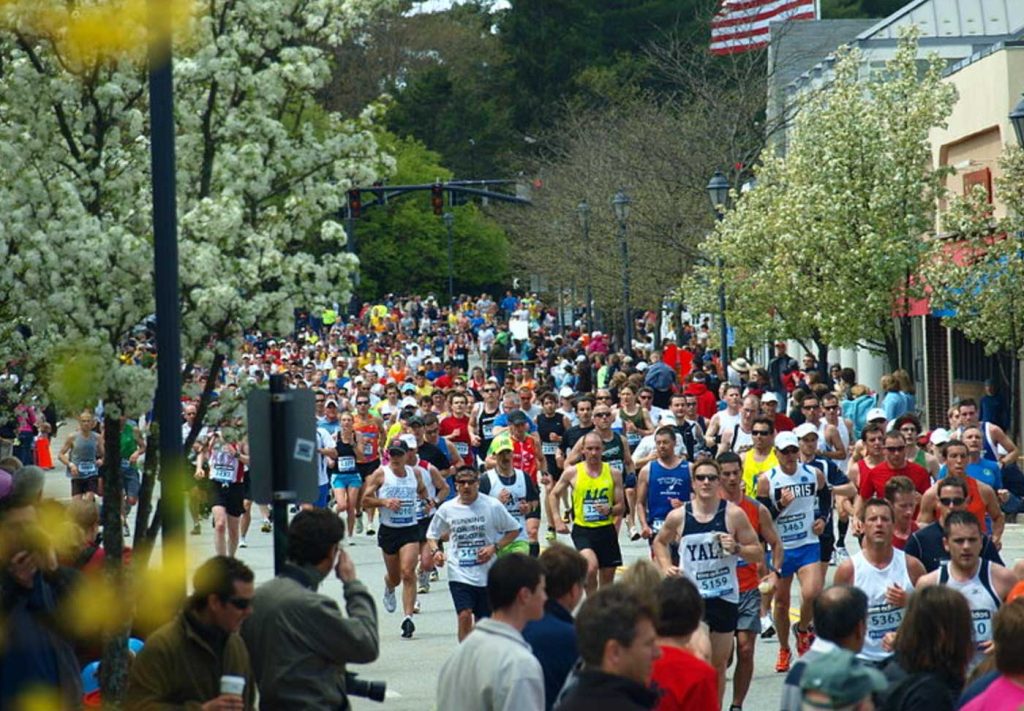
The finish that raised eyebrows
Witnesses immediately noticed something strange. Ruiz did not look like someone who had just run 26.2 miles.
She wasn’t sweating much. She didn’t appear exhausted. Officials later said she seemed confused when asked about details of the race.
Even more telling, elite runners who had been competing all day said they had never seen her on the course.
One of them was Jacqueline Gareau, the actual leader of the race. She crossed the line shortly after Ruiz and instantly suspected something was wrong.
How she pulled it off
Investigators quickly pieced together what happened.
Evidence showed that Ruiz had not run the full race. Instead, she likely joined the course near the end, close to the finish line in Boston.
Multiple witnesses reported seeing her emerge from the crowd along Commonwealth Avenue, one of the final stretches of the course.
There was also scrutiny of her qualifying time for the race. Ruiz had claimed to qualify at the New York City Marathon the year before, but officials there later found inconsistencies in her performance as well.
Disqualification and fallout
Eight days after the race, the Boston Athletic Association officially disqualified Rosie Ruiz.
The title was awarded to Jacqueline Gareau, who had legitimately led the race from start to finish.
Ruiz became a national headline almost overnight, not for winning, but for cheating in one of the world’s most prestigious marathons.
Why this scandal still matters
The 1980 incident changed how races are monitored.
At the time, marathons relied heavily on trust and manual observation. After Ruiz, organizers began tightening verification systems, including:
- More checkpoints along the course
- Better documentation of qualifying times
- Eventually, electronic timing systems
Today, it would be nearly impossible to replicate what Ruiz did.
A bizarre chapter in Boston sports history
The Boston Marathon is known for legendary performances, brutal weather, and emotional finishes.
But the story of Rosie Ruiz stands out for a completely different reason.
It’s a reminder that even in one of the most respected races in the world, shortcuts can happen, but they do not last long.
And in Boston, especially, the truth always catches up by the finish line.