Something Is Missing From the NBA and Boston Remembers What It Was
Boston’s relationship with the NBA has always been emotional. Not casual. Not passive. Emotional.
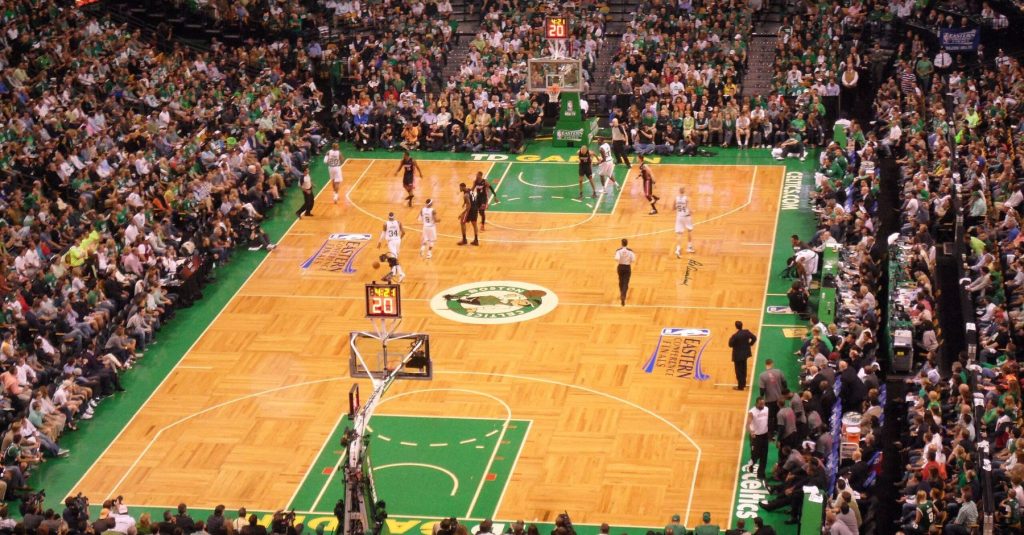
That is because this city lived through an era when basketball felt like a civic duty. When the Boston Celtics were not just a team but a posture. When the league was not background noise but a weekly reckoning.
That memory matters. Because when Boston fans say the NBA feels different now, they are not being dramatic. They are comparing today’s league to something they actually lived through.
The old standard was set impossibly high
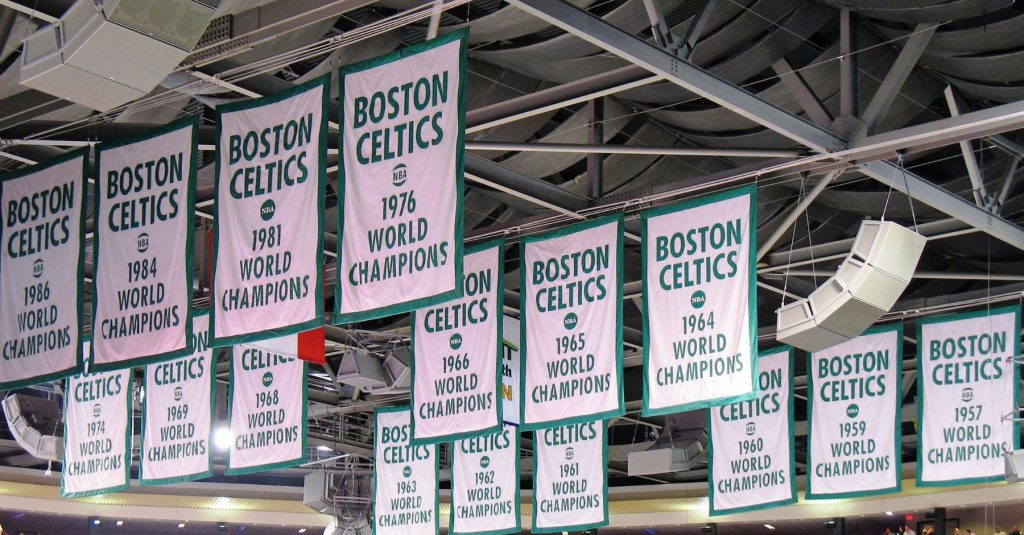
The NBA Boston remembers was shaped by Larry Bird and Robert Parish, by packed buildings and hostile road games, by rivalries that felt personal.
Games against the Los Angeles Lakers were cultural events. Families argued. Offices buzzed. Every possession carried weight, even in January.
That era taught Boston fans a simple truth. If the league treats games like they matter, fans will too.
Today’s regular season feels like a placeholder
The modern NBA does not operate that way.
The regular season is something to manage, not maximize. Load management is normalized. Stars sit with little notice. Fans buy tickets weeks in advance and find out hours before tipoff that the night will be missing its main attraction.
When Jayson Tatum sits during a high-profile game in the middle of his prime, no one blames him. This is league policy. But for fans who grew up believing every game mattered, it confirms that the calendar has been hollowed out.
Boston fans still show up. The league increasingly does not.
Officiating replaced flow and drama
The NBA Boston remembers moved fast and hit hard. Games ended with momentum, not procedure.
Today, endings crawl. Reviews pile up. Whistles dominate conversations. Fans leave games arguing about replay rules instead of basketball decisions.
Missed calls have always existed. What changed is how much they interrupt the experience. When the final minutes feel more like a legal review than a sport, the emotional payoff disappears.
The league now feels like a content machine
The NBA has always marketed stars, but the balance shifted. Narratives are louder than nights. Highlights matter more than full games. Online debates often overshadow what actually happens on the floor.
When Bill Simmons spends more time discussing how the league feels than breaking down sets or matchups, it reflects a shared discomfort. The product no longer speaks for itself the way it once did.
Boston fans respect greatness. They just want it earned in real time, not packaged later.
Even ownership has acknowledged the strain
Celtics governor Wyc Grousbeck has spoken candidly over the years about the grind of the NBA season and the challenge of balancing player health with fan expectations.
That honesty matters. It also confirms what fans already sense. The league knows the regular season is stretched thin. The fix remains elusive.
Celebrity fandom tells the same story
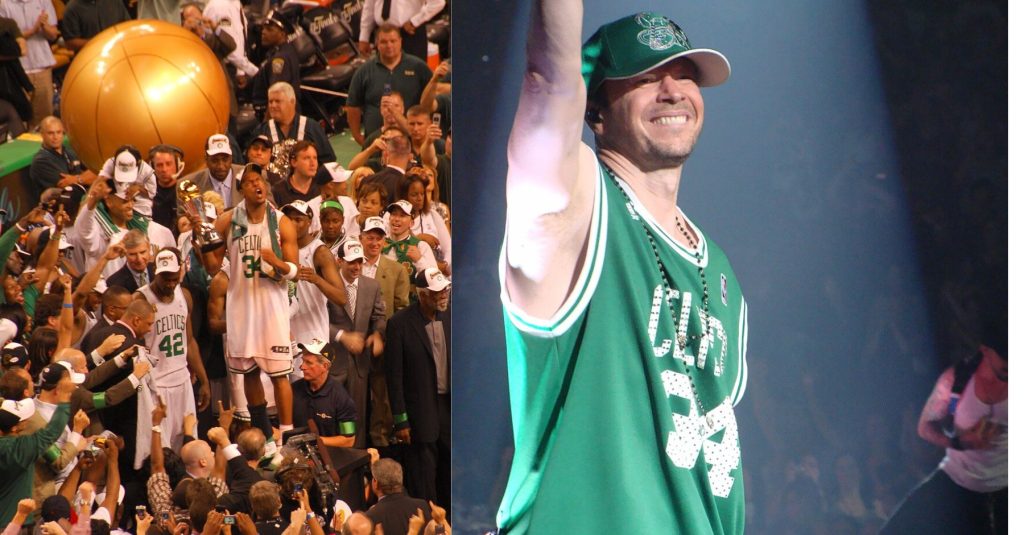
You still see Donnie Wahlberg courtside. Famous faces still appear. But the casual celebrity buzz that once surrounded random regular season games has faded.
That is not about Boston losing relevance. It is about fewer nights feeling like events. The league trained fans to wait for April.
Winning did not restore the feeling
This is the part outsiders miss.
The Celtics are good. Very good. Deep, talented, legitimate contenders. And yet the disconnect remains.
That tells you this is not about losing. It is about meaning. When winning cannot override emotional distance, the issue is structural.
Boston is demanding more.
Boston fans are not stuck in the past. They simply know what the NBA can be when rivalries matter, when nights feel earned, and when the league respects the calendar it asks fans to invest in.
TD Garden is still loud. Celtics discourse is still obsessive. Basketball culture here is alive.
What has changed is the belief that the NBA is matching that intensity.
Because Boston remembers when it did.