

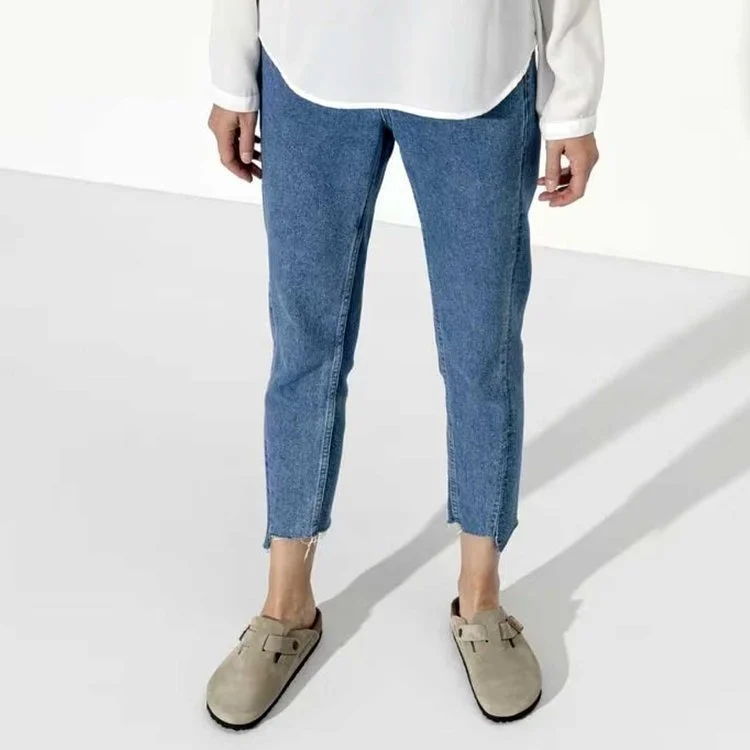
The Birkenstock Boston is named after us. The German shoemaker says so itself, and even built a campaign around photographing Bostonians in the clog. It is a fairly modest piece of footwear to carry the city’s name: a rounded toe, an open heel and one adjustable buckle. No skyline required.
The shoe dates to 1976, according to Birkenstock’s company timeline. That puts its arrival three years after the two-strap Arizona sandal. The Boston gave customers something the sandal did not: covered toes, with the same general slip-on approach.
It also means the Boston was around long before anyone could post an outfit online. Whatever brought the clog to your attention, the design has had decades to find an audience.

The Birkenstock Boston came after the footbed
Birkenstock’s history begins with shoemaking in Germany, but the part that explains the Boston is the development of its shaped footbed. Konrad Birkenstock worked on flexible insoles in the early 1900s. The company registered the German term Fußbett, meaning footbed, as a trademark in 1925.
In 1963, Karl Birkenstock introduced the sandal later known as the Madrid. The Arizona followed in 1973, and the Boston joined the range in 1976. These were different uppers built around the same concern: the shape beneath the wearer’s foot.
American customers already knew the sandals. Margot Fraser had encountered them during a 1966 trip to Germany and subsequently began selling them in the United States.
The clog kept the heel open while covering the front of the foot. Birkenstock describes it as a design that began as a house and work shoe. Its traditional footbed uses cork, latex, jute and suede, with contours intended to follow the foot. The strap adjusts across the upper rather than fastening behind the ankle.
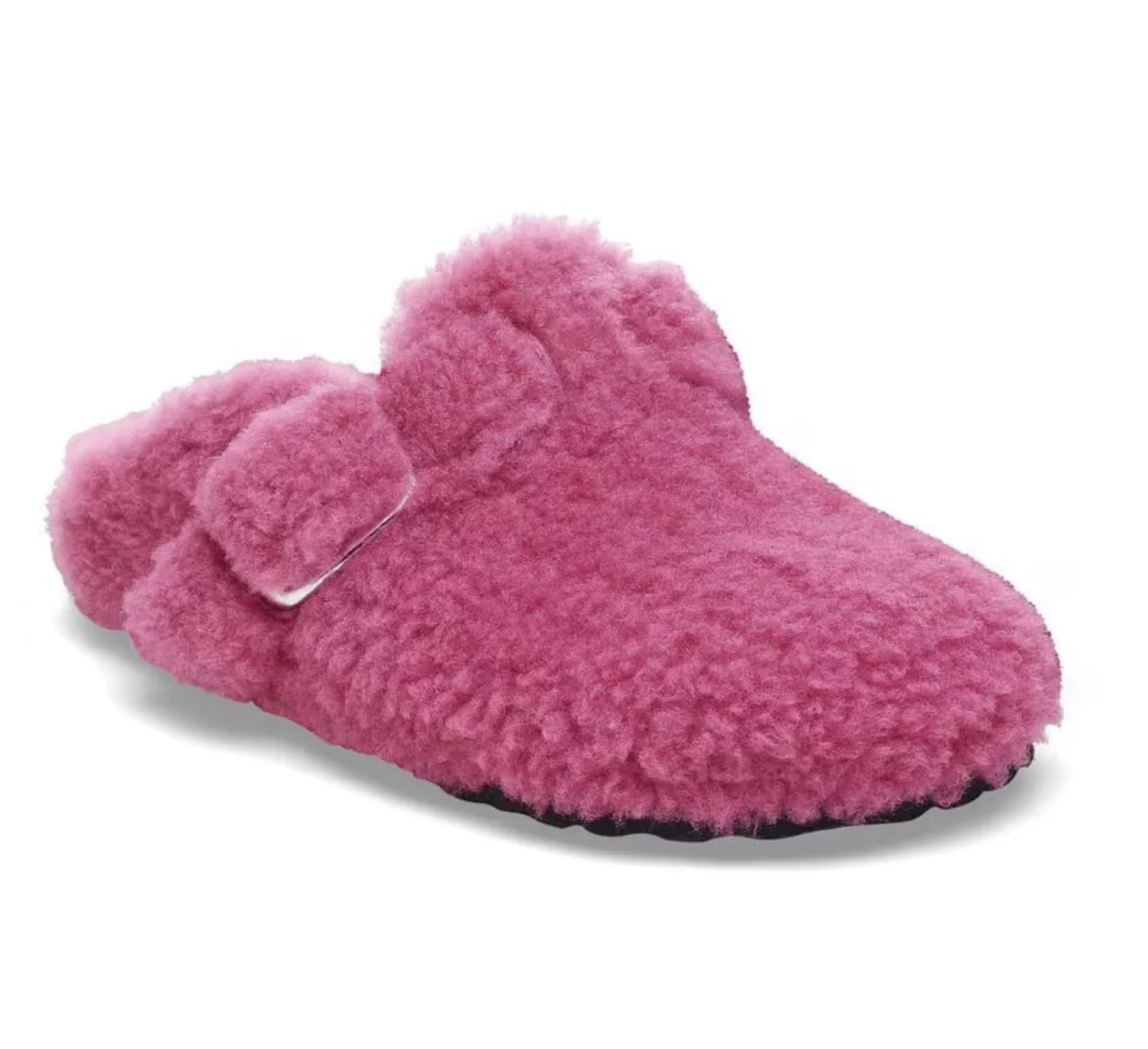
Boston is the model and taupe is the color
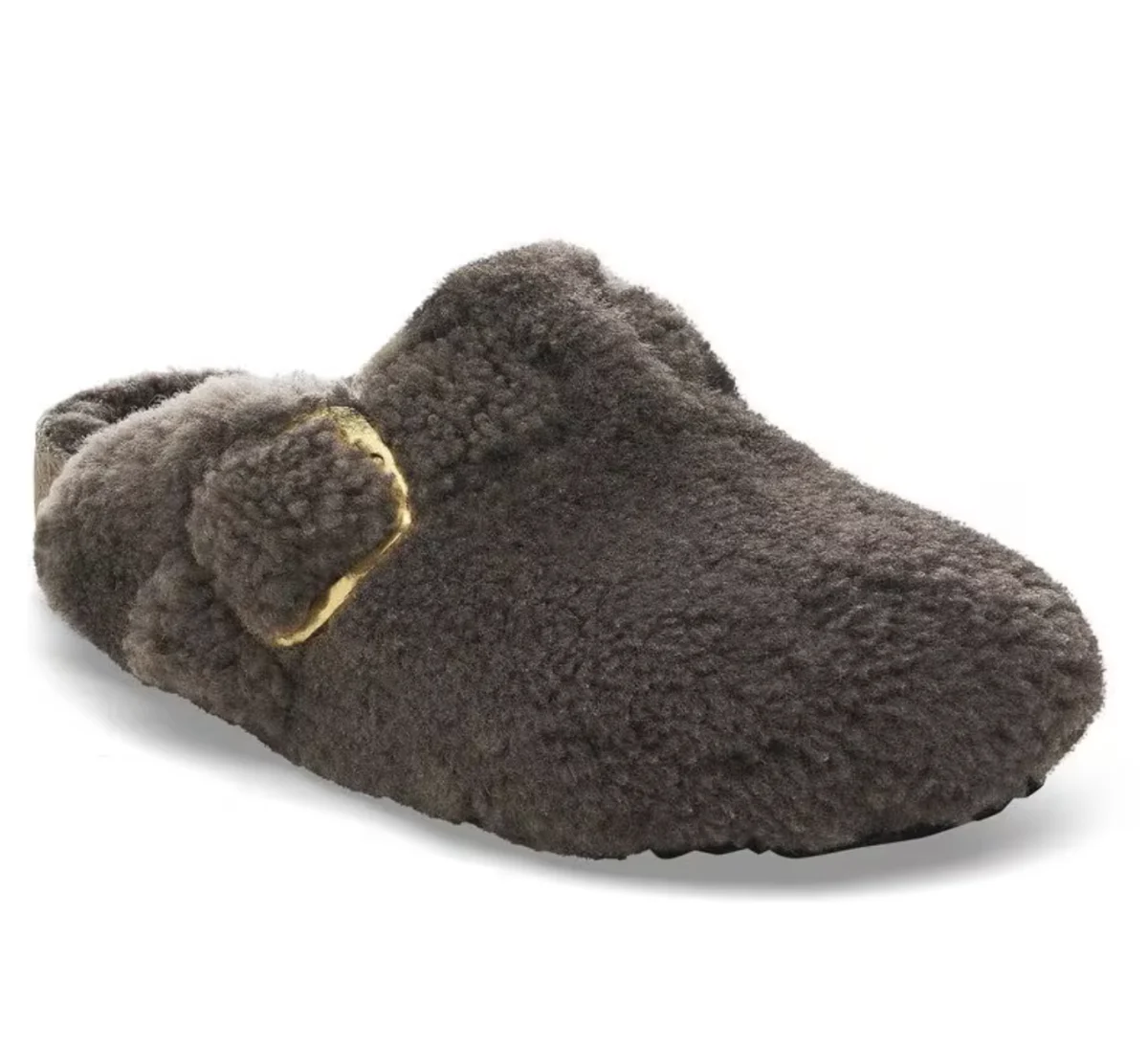
A Boston does not have to be taupe, or even suede. The collection includes different leathers, synthetic uppers and lined versions. The familiar shape is what makes it a Boston. Taupe identifies one colorway, rather than a separate shoe with its own Boston origin story.
That distinction matters if you are buying a pair. Two listings can share the Boston name but have different materials, linings or footbeds. Compare the actual version, not just the photograph. The range also comes in different widths, so choosing a size is only part of getting the fit right.
As for the name, Birkenstock calls Boston the clog’s namesake city. Its Boston in Boston campaign makes that connection explicit. The company does not explain there why it originally chose this city over another. A Boston debut or a tribute to our particular taste in sensible shoes would make a tidy story, but neither is established by that account.
Buying a Boston on Newbury Street
The brand gave the connection a street address when it opened its own store at 205 Newbury Street in November 2024. It was the company’s seventh owned retail store in the United States, according to its opening announcement.
Local photographer Steph Larsen photographed people around the city wearing the clog for the launch. Inside the shop, cork, felt and leather carried the materials of the footwear into the interior. An area devoted to company history displayed archive material and artifacts.
The shop sells more than the shoe named for its address’s city. The opening range included sandals, clogs, sneakers, boots and socks, with staff available to help with fit. If you are choosing between widths or materials, trying them together is more useful than guessing from separate online listings.
Check the current store listing before a trip for a particular size or style. Then bring the socks you actually plan to wear. Boston can claim the name, but your feet still get the final decision.