3 World-Changing Inventions Born at MIT
Massachusetts Institute of Technology (MIT) is the best technology college in the world. It stands as a global powerhouse of innovation, renowned for its cutting-edge R and D.
Updated for 2025
Massachusetts Institute of Technology (MIT) in Cambridge stands as a global leader in innovation, shaping the world through groundbreaking research. Just across the river from Boston, MIT has birthed inventions that transformed technology, robotics, and medicine. Explore three of MIT’s most iconic contributions and see why this school is a must-visit for tech lovers in Boston.
Learn about the neighborhoods around MIT in our Boston neighborhoods guide.

In the late 1960s, MIT researchers helped lay the foundation for the Internet through the ARPANET project, a precursor to today’s global network. Working with other universities and defense contractors, MIT developed packet-switching and network protocols that enabled data to travel across systems—key to creating the Internet. This innovation revolutionized communication and connectivity worldwide. In 2025, visit MIT’s Computer Science and Artificial Intelligence Laboratory (CSAIL) in Cambridge to see ongoing Internet research or attend a public lecture on tech history (check MIT’s event calendar for schedules).
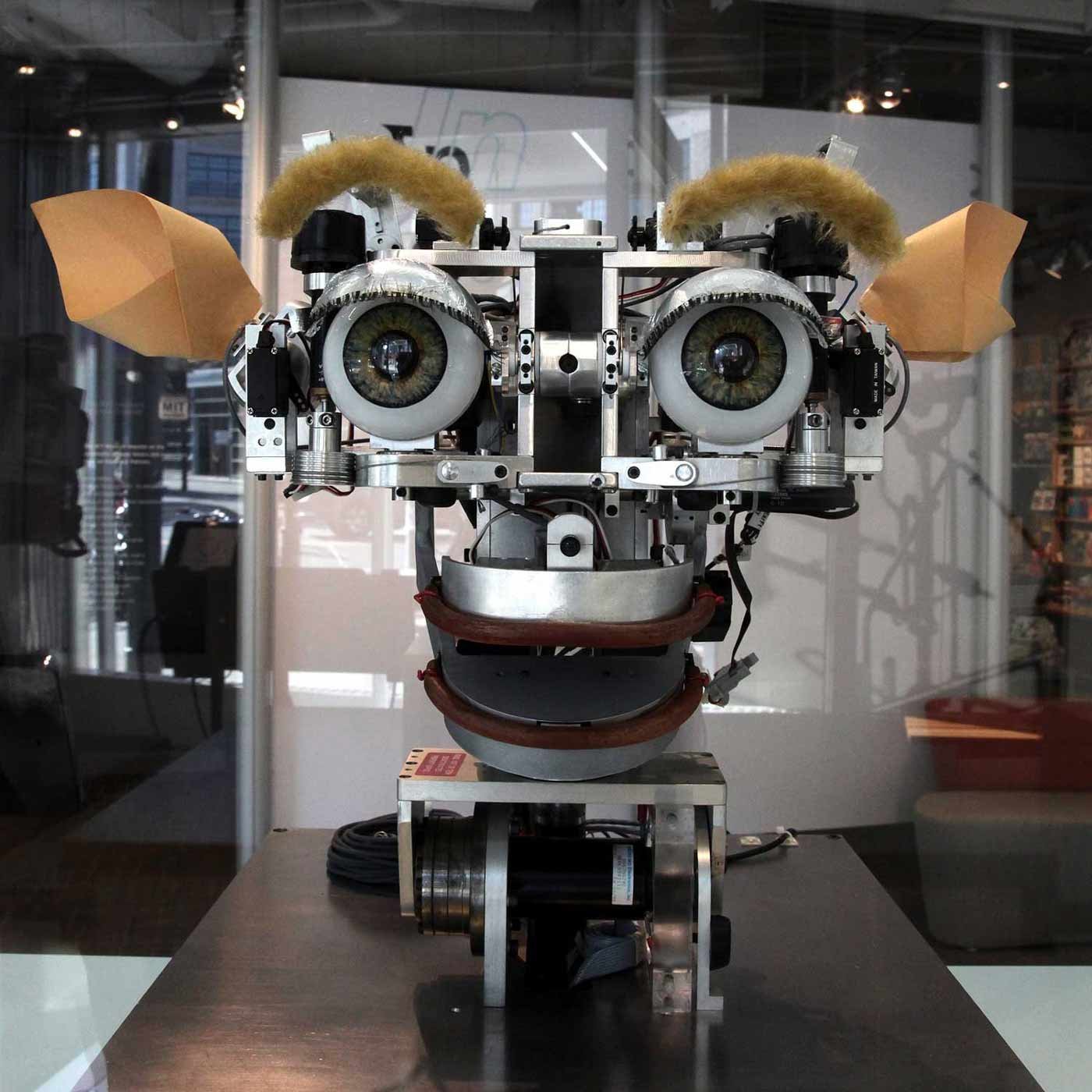
Developed in the late 1990s by Dr. Cynthia Breazeal at MIT’s Media Lab, Kismet was a trailblazing social robot with an expressive face—moving eyes, ears, and eyebrows—and vocal abilities. It could perceive and mimic human emotions, paving the way for affective computing and human-robot interaction. Kismet’s legacy lives on in modern robotics, influencing applications in healthcare, education, and companionship. In 2025, explore MIT’s Media Lab exhibits in Cambridge to learn about current robotics projects building on Kismet’s foundation (open to the public during select hours).
Discover more innovation with our guide to unique things to do in Boston.
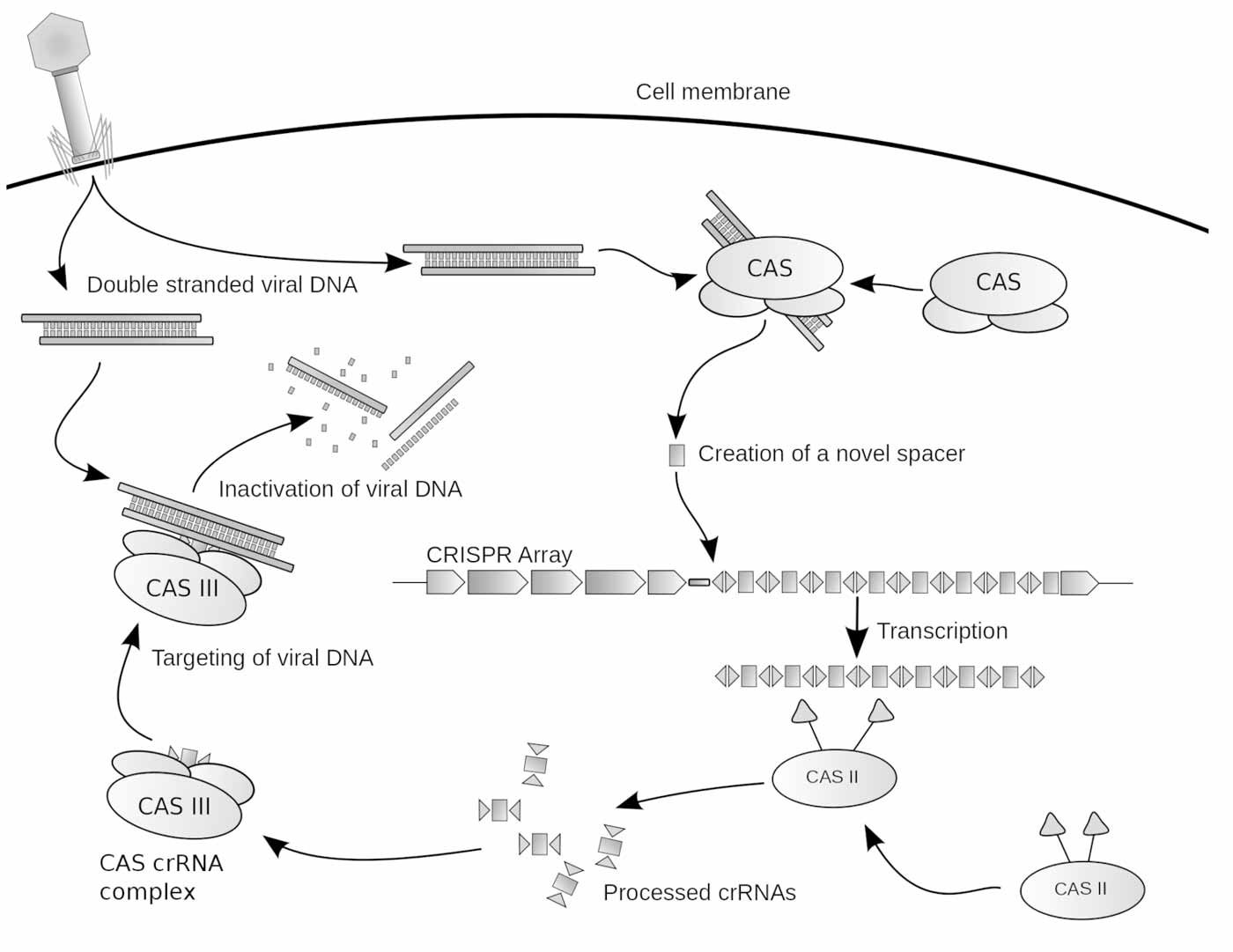
In 2012, MIT scientist Dr. Feng Zhang and his team advanced CRISPR-Cas9, a gene-editing tool that allows precise DNA modifications. This breakthrough has transformed genetics, enabling treatments for genetic disorders, disease-resistant crops, and new biotechnology research. Today, CRISPR continues to drive medical innovations, from cancer therapies to rare disease solutions. In 2025, visit the Broad Institute of MIT and Harvard in Cambridge to attend a public seminar on CRISPR’s latest applications (check their event schedule for details).
MIT’s Lasting Impact
From the Internet to robotics and gene editing, MIT’s inventions have reshaped the world. What’s your favorite MIT breakthrough? Share in the comments!
Start your own innovation journey with our guide to prestigious internships in Boston.