Boston social clubs are booming again
Running clubs, museum nights, and curated meetups are changing Boston nightlife.

Boston social clubs are having a moment.
Across the city, people are joining running clubs, museum events, supper clubs, and curated social groups as traditional nightlife loses some of its appeal. Instead of loud bars and random nights out, more Bostonians are looking for experiences that feel intentional, community-driven, and easier to connect through.
The shift is showing up everywhere.
Fitness groups are drawing crowds that rival nightlife events. Museum parties are selling out. Community dinners and hobby-based meetups are becoming part of people’s weekly routines. In a city often described as socially reserved, more residents seem willing to actively seek out connection.

Running clubs are becoming Boston’s new social scene
One of the clearest examples is the rise of social running clubs.
Groups like November Project continue attracting large crowds for free workouts around the city, while newer running communities have expanded rapidly across neighborhoods like South Boston, Back Bay, and Cambridge.
For many people, these groups are no longer just about fitness.
They function as social circles, dating pools, networking spaces, and friend groups all at once. In a city where meeting people after college can feel surprisingly difficult, activity-based communities are filling a gap that bars and apps no longer solve for everyone.

Museum nights are pulling younger crowds
Boston’s museums are also becoming social destinations.
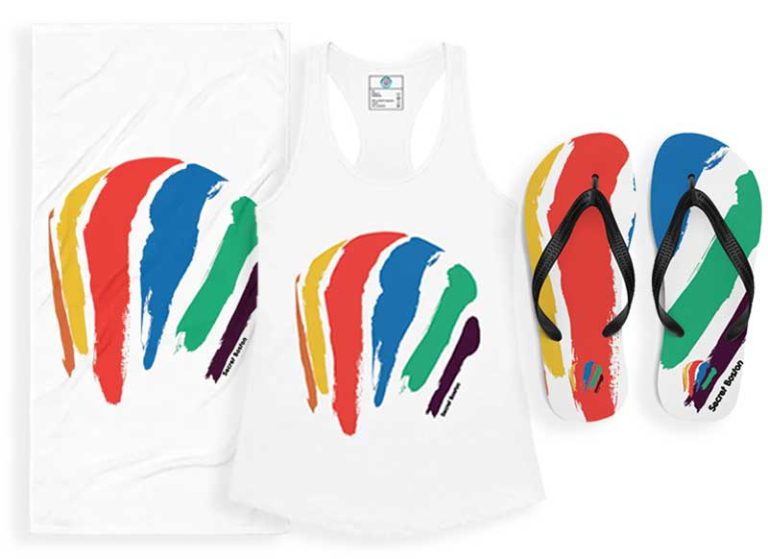
The Museum of Science regularly hosts large-scale evening events that combine cocktails, music, immersive exhibits, and dance floors. Events like Sparks After Dark have become part of Boston’s growing social club culture, with newer groups like Secret Boston Social Club organizing meetups around them. The upcoming Secret Boston Social Club outing at Sparks After Dark later this month is one example of how activity-based gatherings are replacing more traditional nightlife for some residents.
The MIT Museum has also built a strong following around its After Dark series, which mixes exhibitions, live entertainment, talks, and food.
The appeal is obvious.
These events offer something more interactive than a normal night out. People want experiences that feel curated and memorable instead of transactional.
That demand has helped fuel interest in everything from themed dinners to creative workshops to members-only communities.

Boston’s social club culture is evolving
Boston has long had traditional clubs like the Harvard Club of Boston, the St. Botolph Club, and the Tavern Club.
But a newer version of social club culture is emerging across the city.
Instead of formal networking spaces, many younger residents are gravitating toward communities built around shared interests, recurring events, and local experiences. The trend mirrors what’s happening in cities like New York and Los Angeles, where curated communities and membership-based experiences have become increasingly popular.
Boston appears to be catching up.

Boston’s coolest modern social club might be The ’Quin House
Boston’s social club revival isn’t just happening through running groups and museum nights. Spaces like The ‘Quin House are helping redefine what modern club culture looks like in the city.
The club reopened in 2021 inside the former Algonquin Club building on Commonwealth Avenue, one of Boston’s oldest and most blue-blood private clubs dating back to 1886. Today, The ’Quin House blends dining, fitness, nightlife, coworking, and social programming into a modern members club aimed at a younger generation of fashionable Bostonians.
In a city long associated with old-school institutions and inspirational social circles, places like The ’Quin House reflect how Boston’s club culture is evolving into something more lifestyle-driven and fun.
People want real-life connection again
Part of what makes the rise of Boston social clubs so noticeable is how broad the movement has become.
Some people are joining running groups. Others are attending museum parties, supper clubs, trivia nights, or neighborhood meetups built around shared interests instead of traditional nightlife.
The common thread is connection.
Boston has always been a city full of students, ambitious professionals, and busy schedules. But many residents now seem more interested in experiences that feel personal, local, and community-driven.
That helps explain why newer concepts like the Secret Boston Social Club are gaining traction alongside more established communities across the city.
In a place known for being hard to break into socially, more people seem willing to try.