The Revolution’s Stadium Deal Marks a Turning Point for Boston
After decades of discussion, false starts, and near-misses, professional soccer in Greater Boston is finally moving closer to a permanent home.
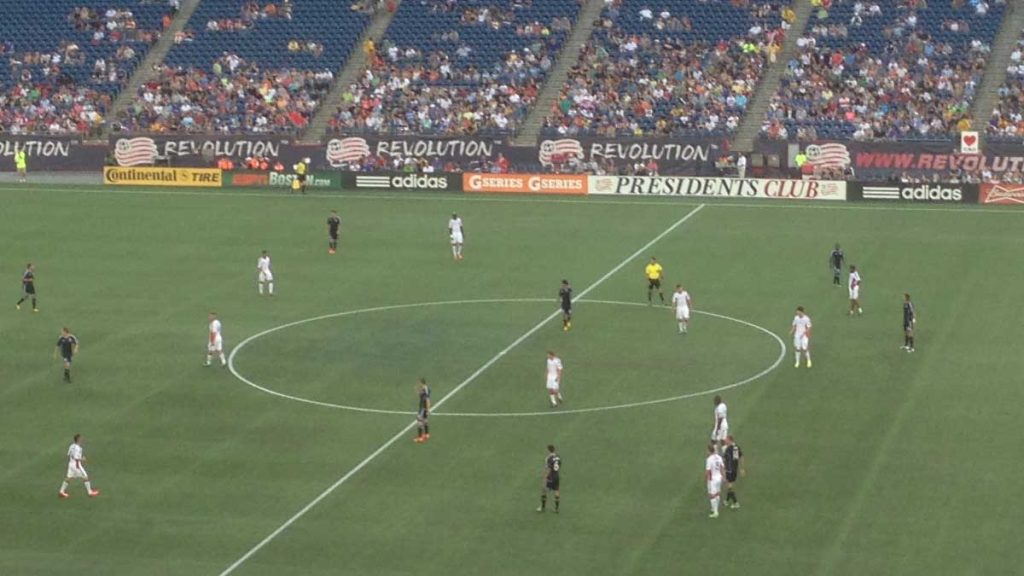
This week, The Kraft Group reached a key agreement with the cities of Boston and Everett on a proposed, soccer-specific stadium for the New England Revolution. The deal marks a major step forward for a franchise that has long played outside the urban core, and it could reshape how Boston experiences professional soccer.
While the project still faces additional approvals and planning steps, the agreement signals real momentum and a shift in how the region thinks about sports, development, and waterfront space.
Why this stadium matters now
The Revolution have played at Gillette Stadium since the club’s founding in 1996, making them one of the last Major League Soccer teams without a dedicated stadium designed for the sport.
A purpose-built venue near Boston would change that overnight.
Across MLS, soccer-specific stadiums have transformed fan engagement, created more intimate game-day atmospheres, and helped teams embed themselves into their surrounding neighborhoods. For Boston, this deal represents a chance to modernize its relationship with a league that has grown rapidly in popularity over the past decade.
Everett’s role in the project
The proposed site sits along the Mystic River in Everett, an area that has already seen significant redevelopment interest. A stadium would act as an anchor project, drawing consistent foot traffic while accelerating investment in nearby infrastructure, restaurants, and public spaces.
For Everett, the benefits go beyond soccer. Construction would generate jobs, and long-term operations would support year-round employment tied to events, maintenance, security, and hospitality. The city also stands to gain from improvements to roads, utilities, and waterfront access tied to the development.
What it could mean for Boston fans
For fans, the most immediate impact is location.
A stadium closer to Boston means easier access by public transit, shorter travel times, and a game-day experience that feels integrated into city life rather than isolated in a parking-lot environment. Supporter culture, which thrives on walkability, pre-game gatherings, and post-match energy, tends to flourish in urban settings.
It also lowers the barrier for casual fans, families, and younger audiences who may not want to commit to a full-day trip to Foxborough.
Transit and infrastructure questions
Any major stadium project in Greater Boston inevitably raises questions about transit, traffic, and neighborhood impact.
Planners and city officials have emphasized the importance of transit access and coordinated infrastructure upgrades to avoid overwhelming surrounding areas on game days. If handled well, the project could become a model for balancing large-scale events with daily city life. If handled poorly, it risks repeating mistakes seen in other regions.
Those details will matter just as much as the stadium itself.
A long-term bet on soccer’s growth
This deal is also a statement about where soccer fits in Boston’s sports future.
Youth participation remains high across Massachusetts, international soccer viewership continues to climb, and MLS has positioned itself as a league with staying power. A dedicated stadium signals confidence that the Revolution are not just a legacy tenant, but a growth asset.
For the city and the region, it is a bet that soccer will continue to attract diverse audiences, global attention, and consistent attendance in the years ahead.
What happens next
The agreement does not mean shovels are in the ground tomorrow. Zoning, environmental review, financing, and final design approvals still lie ahead. But compared to past proposals, this deal represents meaningful progress rather than another conceptual reset.
For Revolution fans, urban planners, and anyone watching how Boston evolves its waterfront and sports infrastructure, this is a development worth paying attention to.
After years of waiting, professional soccer in Boston finally feels closer to home.