Why Boston still feels like a small town even as it keeps getting bigger
Boston is one of America’s oldest cities and one of its most modern. It is dense, wealthy, educated, and constantly under construction. Yet people who live here say the same thing again and again. Boston still feels small.
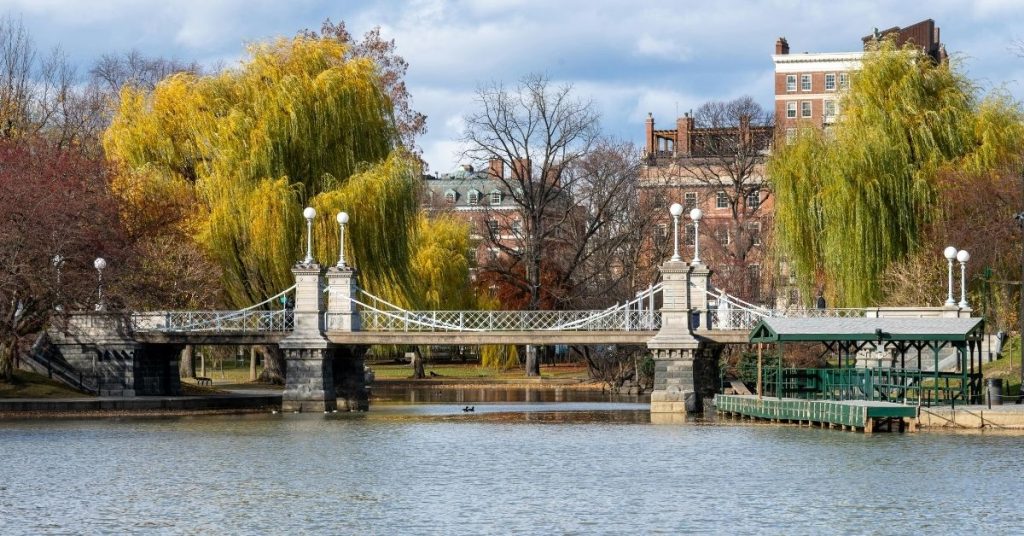
Boston is physically compact. The city proper is just under 50 square miles. Many neighborhoods were built long before cars, with tight streets, corner stores, and housing packed close together. You do not disappear into Boston. You run into it. The same barista in the morning. The same couple walking their dog at night. The same faces across different parts of your life.
Neighborhood identity is unusually strong. South Boston feels nothing like Jamaica Plain. Dorchester does not move at the pace of the Seaport. East Boston operates on its own rhythm. These places are not interchangeable. They act like towns stitched together, each with its own social gravity. You may live five miles away from someone and still feel like you are in different cities.
Boston’s social circles overlap in a way they do not in larger metros. Work, school, family, and nightlife collapse into the same networks. This comes from history. Generations stayed close. Universities fed directly into local industries. Friend groups formed early and stayed tight. New people enter, but they are absorbed into existing webs rather than creating entirely new ones.
The transit system reinforces this closeness. The T funnels everyone through the same choke points. You wait together. You commute together. You get delayed together. It creates a shared experience that makes the city feel intimate, even when it is frustrating.
Weather plays a role too. Cold months push people indoors and into familiar routines. Regular spots become anchors. In winter, Boston shrinks socially. You see fewer strangers and more regulars. By spring, the city opens back up, but the bonds remain.
Boston’s media ecosystem is also unusually local. Stories travel fast. A restaurant opening, a scandal, a neighborhood change. Everyone seems to hear about it at once. This keeps attention focused inward, reinforcing the sense that the city is watching itself.
Growth has not erased this. New towers rise. Rents climb. Neighborhoods change. But the underlying structure stays the same. Short distances. Tight networks. Strong local identity. Boston expands upward and outward, but socially it still pulls people back toward the center.
That is why Boston feels both intense and familiar. You are rarely anonymous here. The city remembers you, for better or worse.
For a place that keeps getting bigger, Boston has never stopped acting like it already knows you.