

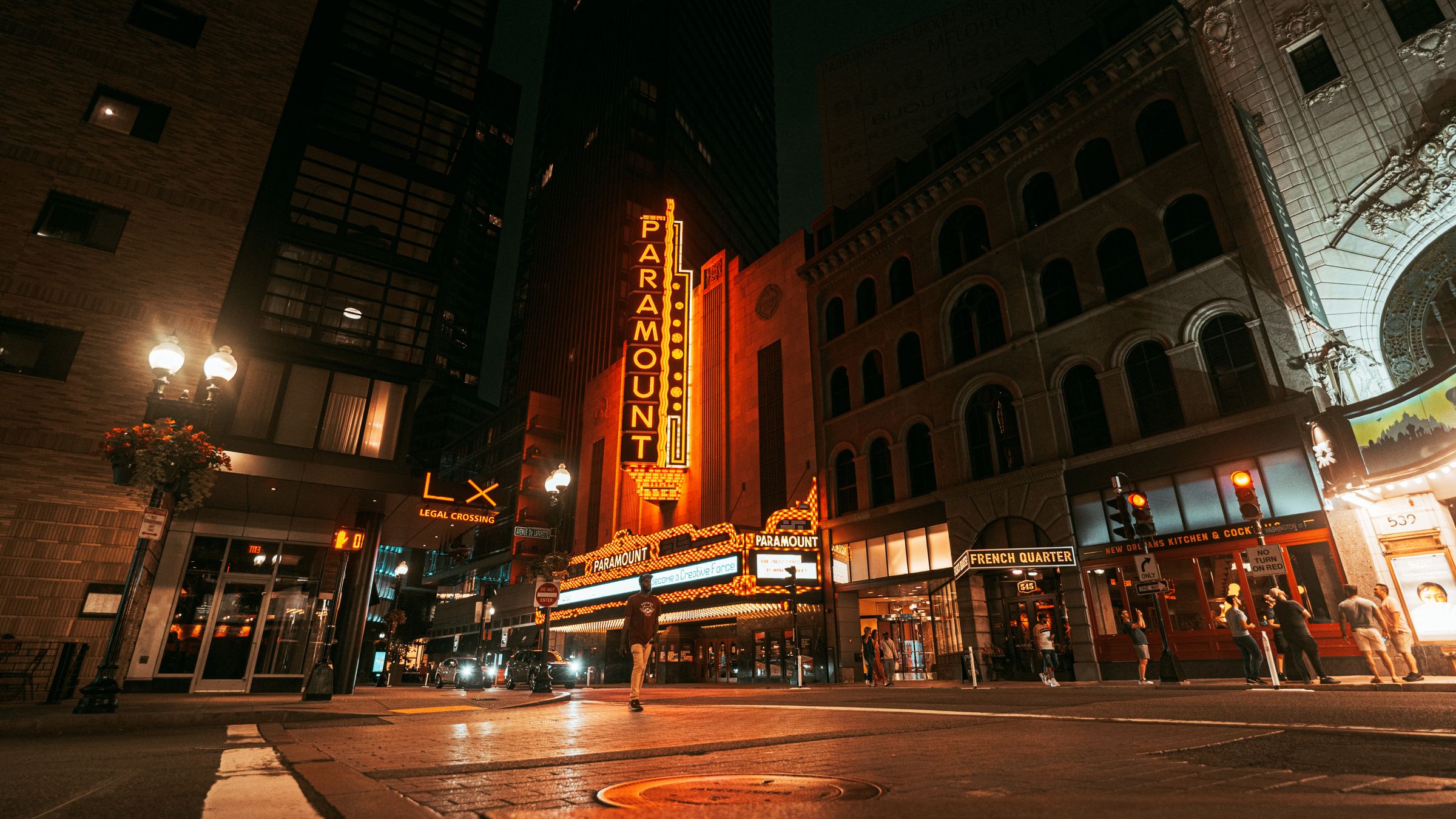
For about seven weeks in the summer of 2026, Boston got to stay out late. A temporary state law signed on June 8, 2026, let cities give bars and restaurants an extra hour, and Boston opted in. More than 200 places across the city were approved to serve later, according to a City Council resolution in July. Then July 31 came, and Boston went right back to closing out tabs at 1:59 a.m.
So what happened to staying out late in Boston? Mostly, a temporary law ran out.
Why last call is stuck at 2 a.m.
Massachusetts law bans alcohol sales at bars and restaurants between 2 and 8 a.m. on regular days. Within those limits, each city’s licensing board sets the hours on each license. That’s why Boston can’t decide to pour until 3 a.m. on its own. As WBUR put it in June, any lasting change needs approval from the State House.
What the 3 a.m. summer looked like
The city announced its extension on June 10, timed to a summer packed with the FIFA World Cup fan festival, Sail Boston and Boston 250. Any place licensed to serve until 2 a.m. could apply to the Boston Licensing Board to push alcohol and entertainment hours to 3 a.m., using an online form with same-day approval. Places with earlier closing times could ask for an extra hour too. The city also set up two downtown social districts, the only spots outside a licensed bar where you could legally drink in public.
Mayor Michelle Wu told WBUR she “absolutely” wanted the policies made permanent, and said “so far, it’s been really delightful.” Not everyone agreed. Boston’s largest police union criticized the initiative, though WBUR reported the department itself hadn’t flagged any major issues. The City Council backed a Senate bill to stretch the pilot through August, but the extra hour still ended on July 31.
Where the 3 a.m. push stands now
City Councilor Brian Worrell, with Councilors Julia Mejia and Ruthzee Louijeune, filed a home rule petition to allow alcohol sales until 3 a.m. in Boston. It was sent to committee on June 18. A joint hearing on it, paired with an order on the future of Boston’s nighttime economy, was set for November 24 and then canceled. For now, nothing permanent has passed, and last call is back to 2.
The last time Boston stayed up late on the T
If this sounds familiar, it is. On March 28, 2014, the MBTA started a late-night pilot, running the subway and 15 key bus routes 90 minutes later on Friday and Saturday nights. The last trains left downtown at about 2:30 a.m. Sponsors including the Boston Globe, the Red Sox and Dunkin’ put in more than $1.5 million toward an estimated $16 million cost.
It didn’t last. After a weak financial showing, the hours were cut back to 2 a.m. in 2015, and the MBTA’s board voted 4-0 on February 29, 2016, to end the service. The last late-night runs were the night of Friday, March 18, 2016. The T said it had logged about 13,000 late-night rides per weekend night, and ending it saved about $9 million the next year.
What the city is doing after dark
Boston does have an Office of Nightlife Economy, led by Director of Nightlife Economy Corean Reynolds. Its Wake Up the Night grants put $301,581 into nighttime events in 2024, funding more than 50 of them in 13 neighborhoods, and by summer 2026 it had handed out more than 13,000 drink covers to more than 60 nightlife spots. In 2025, it launched the Late Night Food Truck Program, with seven public sites near hospitals, universities, music venues and nightlife districts.
The state also signed off on new liquor licenses for Boston in 2024, including community licenses for nonprofits, small theaters and outdoor spaces. Extra licenses don’t change closing time, but they do mean more places to go before 2. Happy hour is its own story. Here’s why happy hour is banned in Massachusetts.
Where to go after last call
Last call doesn’t have to mean bedtime. Our guide to late-night food in Boston covers what’s still cooking after the bars close, and these are the Boston eateries open 24 hours when you really want to push it.