A 22% Tip on a Coffee? Boston’s Tipping Culture Has Crossed a Line
Boston used to tip for great service. Now every coffee, counter, and checkout screen wants 20% before anything even happens.
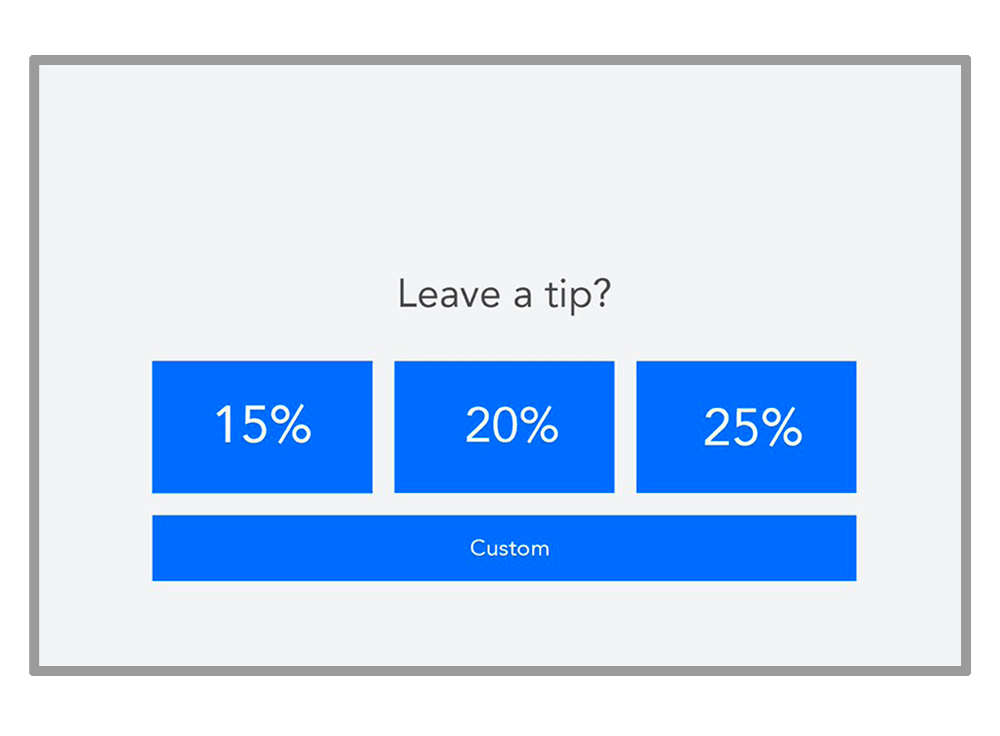
It’s a Tuesday morning in the South End. You order an iced coffee, $5.75. The barista pours it from a pitcher, slides it across the counter, and spins the iPad around.
22%. 25%. 30%.
No eye contact. No service. Just expectation.
You tap 22% because the line behind you is six people deep and the barista is watching. That’s $1.27 for ten seconds of pouring. You walk out feeling vaguely annoyed and you’re not sure at who.
What used to be optional now feels mandatory
Tipping used to mean something in this city. Boston is a service town. Restaurants, bars, hotels, the whole Back Bay hospitality machine runs on it. Tipping your waiter at Neptune Oyster or your bartender at the Bell in Hand made sense. Someone took care of you. You took care of them back.
That’s not what’s happening now.
Now the tip screen shows up at the bakery in Beacon Hill, the takeout window in Allston, the self-serve kiosk at the airport. You’re tipping before you sit down. Before you’re served. Sometimes before anything is even made.
It’s no longer tied to service. It’s tied to the act of paying.
The iPad changed everything
The shift didn’t happen overnight. It came with Square and Toast, the point-of-sale systems now running most of the city’s small businesses. Toast is literally a Boston company, headquartered in the Fenway. The irony isn’t lost on anyone.
These systems made tipping frictionless. One tap, done. But they also made it unavoidable. You now have to actively decline a tip instead of choosing to give one. According to Pew Research, 72% of Americans say tipping is expected in more places than it was five years ago. Square’s own data shows tips at quick-service spots have climbed sharply since 2020.
That changes the psychology of the whole exchange.
People don’t want to feel cheap. They don’t want to be judged by a stranger holding their coffee. So they tap 20% for someone who poured black coffee into a cup, not because they want to, but because saying no feels worse than paying.
The pressure is the point
Nobody says anything out loud. The setup does all the work.
The employee is right there. The screen is in your face. The default option is 20%, and the “no tip” button is buried in smaller text or hidden behind a “custom” menu. You tap because it’s easier than the alternative.
Massachusetts makes this stranger than it should be. The state’s tipped minimum wage is $6.75 an hour, well below the $15 standard, which is the original justification for tipping in restaurants. But the barista at your coffee shop isn’t on a tipped wage. They’re making at least $15. The tip screen is asking you to subsidize a business model that already accounts for their pay.
Bostonians are starting to push back
You can feel it in the city. People are noticing the creep. They’re talking about it at dinner, posting about it on r/boston, complaining to each other in line. The phrase “tipping fatigue” has gone from think-piece territory to something your coworker says out loud.
The questions are getting sharper. Why am I tipping 22% for a muffin? Why is the kiosk at Logan asking me for a gratuity? Who exactly is this going to?
What happens next
This isn’t sustainable. Either businesses start pricing things honestly and paying their workers directly, or customers start hitting “no tip” without flinching. One of those things has to give.
Because right now, tipping in Boston isn’t about rewarding great service. It’s about obligation. And obligation has a shelf life.